
Personal Chef Services: Tiny Spoon Chef DFW
The rise of personal chef services is worth watching from the Hudson Valley, even when the newest case study comes from Texas. Tiny Spoon Chef officially launched its Dallas-Fort Worth in-home service on September 25, 2026, giving diners a clear example of how recurring chef visits are being packaged for busy households. For local hosts who love signature dishes, farmers market cooking, and coffee after dinner, the question is practical: what should you expect before inviting a chef into your kitchen?
Tiny Spoon Chef’s move matters because it puts several ideas in one place: recurring visits, household-specific menus, grocery shopping, cooking in the client’s kitchen, and clean-up. Those details were part of the company’s Dallas-Fort Worth announcement, which also named Frisco, Plano, and Highland Park among the service areas and noted that Dallas-Fort Worth pricing started at $425 for a weekly visit Tiny Spoon Chef announcement. The model is not a restaurant replacement. It is closer to a planned relationship between a cook and a household, which changes how diners should think about menu fit, budget, timing, and flavor.
Why Personal Chef Services Are Drawing Attention
Market Growth In Plain Terms
The market data gives this trend a measurable frame. Fortune Business Insights valued the global market at USD 18.00 billion in 2025, projected it at USD 19.22 billion in 2026, and forecast USD 32.57 billion by 2034, with a listed compound annual growth rate of 6.81% for 2026 through 2034 market forecast. Those numbers do not tell us what any one Hudson Valley household should spend. They do show that paid in-home cooking is being tracked as a growing service category, not just a luxury dinner-party extra.
For Hudson Valley diners, personal chef services offer a useful comparison point with familiar food habits. Many local eaters already pay attention to seasonal produce, family-style suppers, prepared foods from specialty markets, and chef-led pop-ups. A recurring home chef service sits near those habits, but it asks for more planning. You are not choosing one entrée from a chalkboard. You are deciding how a week of meals should taste, how leftovers should be handled, and whether a chef’s cooking style fits your table.
What Personal Chef Services Include
Tiny Spoon Chef’s Dallas-Fort Worth service was described as a weekly recurring in-home visit. The reported scope included menu planning customized by household, grocery shopping, cooking in the client’s kitchen, and clean-up. That full-service structure is the detail diners should study first, because the phrase “chef service” can mean different things depending on the provider.
A dinner party chef may arrive for one event, plate a special menu, and leave after service. A meal-prep chef may cook several dishes for later use. A recurring household chef may learn preferences over time and adjust the menu as routines become clearer. Tiny Spoon Chef’s announcement pointed to chef-household continuity, with the same chef returning weekly. That kind of arrangement can help a cook understand portion preferences, texture dislikes, spice comfort, children’s meals, or the difference between a Tuesday supper and a Friday gathering.
Tiny Spoon Chef’s Dallas-Fort Worth Model
Core Service And Peak Service
The Dallas-Fort Worth launch also separated the offering into two service levels. Core Service was described as centered on family-style weeknight meals. Peak Service was described as using menus developed by the company’s nutrition team. That distinction gives diners a helpful way to ask their own questions, even outside Texas. Are you hiring for comfort and convenience, or are you asking for a more structured menu plan? Are you looking for weeknight pans of food, or a polished dinner with a stronger signature-dish feel?
Kareem’s practical take: do not begin with the fanciest dish you can imagine. Begin with how your household actually eats. If Monday needs simple roasted chicken and vegetables, say so. If Thursday is the night for a pasta bake that reheats cleanly, say so. If Saturday should feel like a restaurant meal at home, say that too. Good menu planning depends on honest daily rhythms, not just aspirational dining.
What The Price Signals
Tiny Spoon Chef stated that Dallas-Fort Worth pricing started at $425 for a weekly visit. That figure is useful as a reference point, not a universal quote. It also reminds diners to ask what is included in any posted starting price. Grocery cost, chef labor, menu planning, travel, container use, and kitchen clean-up may be treated differently from one service to another.
Hudson Valley hosts should also consider the kitchen itself. A chef working in your home needs usable counter space, working appliances, clear storage, and a realistic cooking window. If you entertain often, ask whether the chef can scale a weeknight plan into a small gathering. If you care about coffee service after a meal, ask whether dessert, decaf, espresso-style drinks, or local roasts are part of the conversation. Coffee is often where a home meal either lands gracefully or feels unfinished.
How Personal Chef Services Connect To Signature Dishes
Signature Flavor Without Restaurant Theater
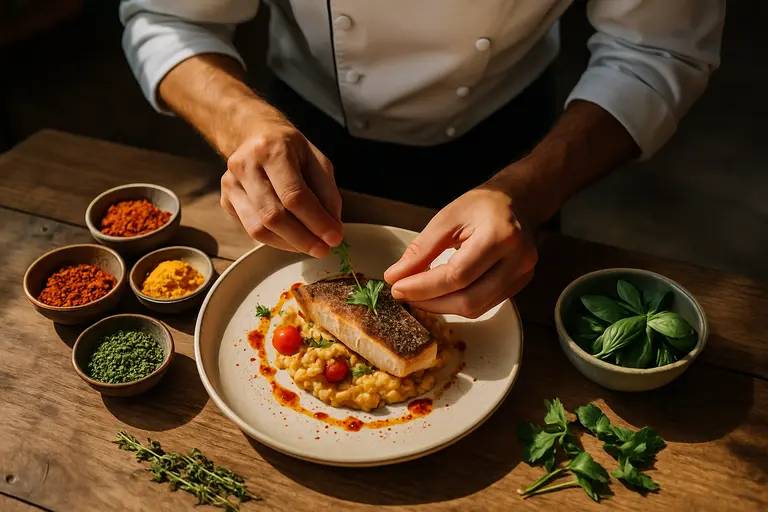
At their best, personal chef services can bring a chef’s point of view into a private kitchen without copying the full restaurant experience. Signature dishes matter here because they help reveal style. A chef who excels at braised meats, composed salads, handmade sauces, or seasonal vegetable plates will show that through repeated cooking. The signature is not only one dramatic plate. It can be the way the chef seasons greens, finishes soup, stores grains, or builds a sauce that makes leftovers more appealing.
That is where the Hudson Valley lens becomes useful. Diners here often care about farms, orchards, bread, cheese, cider, coffee, and weekend markets. A personal chef should be able to explain whether local sourcing is part of the service, whether the client can request certain producers, and how seasonal changes affect menus. If those answers are vague, the service may still be competent, but it may not satisfy someone who wants a stronger connection to regional dining culture. For more home-dining context, our related piece on what diners should expect from private chef services covers menu scope and service fit.
A Practical Menu Conversation
Before booking, ask for sample menus rather than promises. A sample menu will show portion style, cooking range, and how the chef handles variety. Look for balance across a week: one dish that reheats well, one bright vegetable-focused plate, one comfort dish, and one meal that feels special enough to break the routine. If the provider offers tiers, ask what changes between them. Is it ingredient sourcing, menu planning support, service time, level of customization, or the number of dishes?
For readers comparing chef-led services beyond the Hudson Valley, Personal Chef Mall is a related site in the same network and can serve as a valuable resource. Keep the same practical standards wherever you browse: confirm service area, ask how grocery costs are handled, review cancellation terms, and make sure the provider’s cooking style fits the way your household eats.
- Ask whether the chef cooks in your kitchen or delivers finished meals.
- Confirm whether grocery shopping and clean-up are included.
- Request sample menus for ordinary weeknights and special meals.
- Clarify how allergies, dislikes, and dietary requests are documented.
- Ask whether the same chef returns for recurring visits.
Personal Chef Services Questions For Hudson Valley Hosts
What To Ask Before You Book
A good booking call should feel like a menu interview, not a sales pitch. Start with your calendar. How many meals do you need? How many people are eating? Do you want food for the refrigerator, a plated dinner, family-style pans, or a mix? Then move to flavor. Name dishes you already love and dishes that never work in your house. If you want a chef who can build around Hudson Valley produce, ask for examples of seasonal substitutions rather than broad claims.
Budget deserves the same direct treatment. Ask for the starting price, what might raise the price, and which costs are separate. Tiny Spoon Chef’s Dallas-Fort Worth launch gave a public starting point for that market, but each region and provider can structure fees in its own way. A clear estimate should help you understand labor, food, timing, and service scope before you commit.
What A Good Fit Feels Like
The right chef for a household is not always the chef with the longest menu. It is the one who listens closely, communicates limits, and can repeat quality week after week. For a signature dinner, creativity carries the night. For a recurring home arrangement, consistency matters just as much. If a chef can make Monday practical, Wednesday satisfying, and Saturday memorable, the service has a real place at the table.
Tiny Spoon Chef’s Dallas-Fort Worth launch offers a timely case study because it shows how structured this category has become: service tiers, recurring visits, household-specific planning, and a clear list of tasks. Hudson Valley diners do not need to copy a Texas model. They can use it as a checklist for smarter questions, better menu conversations, and more confident home dining.