Local Sourcing and Restaurant Ambiance Lessons
For Hudson Valley diners who care about atmosphere as much as flavor, local sourcing can set the tone before the first plate reaches the table. Perennial in Montgomery, Alabama offers a useful case study outside our region: a restaurant where weekly ingredients, reused furnishings, and a small team all support the same sense of place. The point is not to copy Alabama’s pantry in New York. It is to notice how sourcing choices can shape what a dining room feels like, how guests read a menu, and what questions are worth asking before a reservation.
Perennial opened in August 2024 under owner Deanne Allegro, according to an Alabama Weather Network report. In September 2026, it was named to The New York Times’ 50 Best Restaurants in America for 2026, where it was recognized for a plant-forward approach to Southern cooking that emphasizes local ingredients and reduced food waste, according to the New York Times restaurant list. Those facts matter because they tie national attention to choices that guests can actually feel in the room: changing menus, regional ingredients, and an interior that does not read as detached from the food.
How Local Sourcing Shapes Ambiance
Local Sourcing On The Plate
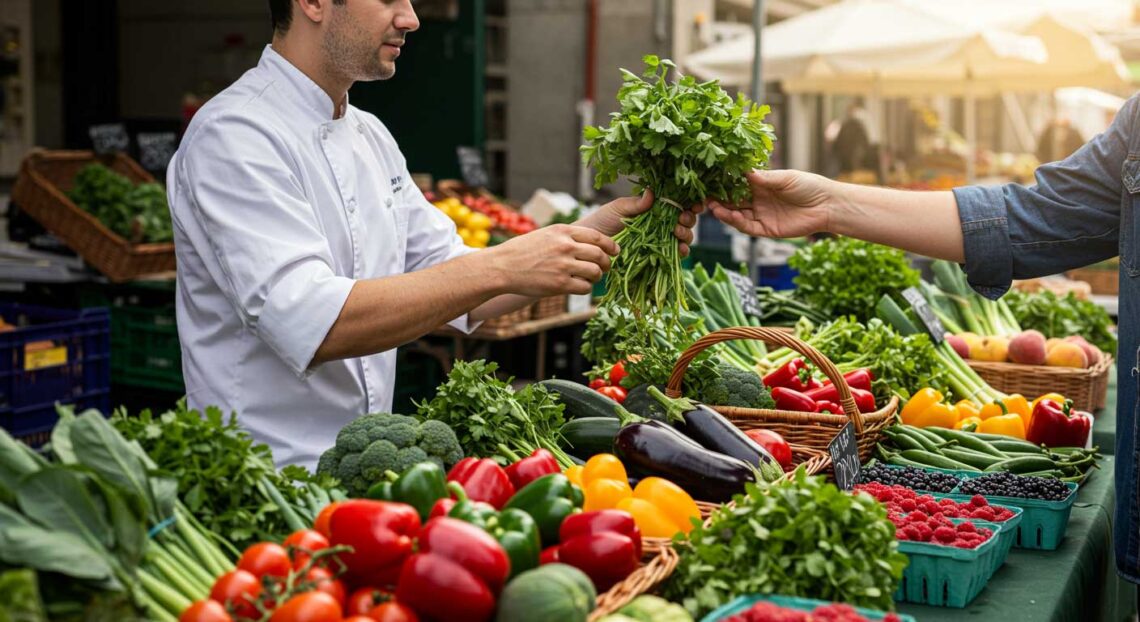
Perennial shows local sourcing through a weekly changing menu built around what Alabama producers have available. That means the restaurant’s identity is not fixed around a long permanent menu. Instead, the meal is framed by timing: what was ready, what arrived, and what the kitchen could use well that week. Published reports describe specific examples, including plums from Clanton, Alabama, about 40 miles away, and Alabama whiskey across the bar program. Vegetable scraps have also been used creatively, such as carrot tops turned into chimichurri.
For diners, that approach changes the mood of a meal. A weekly menu can make dinner feel more connected to place, but it also asks guests to stay flexible. The dish you saw mentioned in an article or on a prior menu may not be the dish available when you sit down. In the Hudson Valley, where many restaurants work near farms, orchards, dairies, cideries, and small food producers, the same principle applies. A truly seasonal kitchen may offer fewer guarantees, but it can offer a stronger sense that dinner reflects a real week in the region.
Materials, Memory, And The Room
The dining room is part of the sourcing story. Research on Perennial describes a century-old building renovated with upcycled materials, secondhand furniture, vintage tableware, light fixtures, and previously loved items. The reported effect is cozy, eclectic, and forestry-themed, with one review comparing the feeling to Sunday dinner at a grandparent’s home. That kind of atmosphere does not depend on luxury finishes. It depends on whether the room and the menu seem to be speaking the same language.
That lesson travels well. A restaurant serving regional ingredients can feel disjointed if the room suggests nothing about care, seasonality, or reuse. By contrast, vintage plates, warm lighting, repaired wood, and mismatched pieces can make a dining room feel lived-in rather than staged. The strongest lesson from Perennial is that local sourcing does not stop at the farmer invoice. It can influence the glassware, the pace of service, the soundtrack of a meal, and the way a guest senses the restaurant’s values without reading a mission statement.
What Diners Should Expect Before Booking
Flexible Menus Need Flexible Guests
Perennial’s reported schedule is closed Monday and Tuesday, open Wednesday and Thursday from 4 p.m. to 9 p.m., and open Friday and Saturday from 4 p.m. to 9:30 p.m. Because hours can change, diners should confirm directly before making plans. The schedule fits the restaurant’s sourcing model as described in published reporting: a small team plans around weekly availability and prep. Perennial has also been described as operating with fewer than 10 staff members, which can support hands-on service but may also make timing and reservations feel more personal and less anonymous.
That is useful for Hudson Valley diners because many of our favorite small dining rooms share similar pressures. Limited staff, seasonal supply, and short service windows can make a meal feel intimate, but they also reward guests who plan ahead. If you are booking a restaurant built around farms or small producers, the practical questions matter more than scrolling photos from past weekends.
- Ask whether the posted menu is a sample menu or the current week’s menu.
- Ask how local sourcing affects vegetarian, gluten-free, or other dietary requests, without assuming substitutions are always possible.
- Confirm hours, reservation policies, and bar seating before making the drive.
- If you are planning a celebration, ask whether the kitchen can discuss the menu in advance or if choices are set close to service.
Reading Ambiance Beyond Décor
Atmosphere is often treated as lighting, music, and table spacing. Those details matter, but sourcing can be just as visible. A short menu may suggest a kitchen buying with intention. A changing dessert may show what nearby orchards or farms delivered. A reused chair or vintage plate may support the same low-waste thinking as a carrot-top sauce. That is the practical side of local sourcing: it gives diners clues about how a restaurant makes decisions.
For readers who enjoy cooking at home or hosting small gatherings, the same questions can apply outside the dining room. A private dinner can feel more grounded when the menu, table settings, and serving style work together. For related home-dining inspiration in the same network, Personal Chef Mall offers valuable insights into creating chef-led meals at home.
Lessons For Hudson Valley Dining Rooms

Place Should Be Felt, Not Announced
Hudson Valley restaurants do not need to mimic Perennial’s Alabama identity. Our region has its own farms, river towns, vineyards, orchards, mill buildings, main streets, and seasonal rhythms. The better takeaway is restraint. If a restaurant says it is rooted in place, guests should be able to sense that through the menu and the room without being handed a speech. A dish shaped by what arrived from a nearby grower can feel more persuasive than a long claim printed at the top of the menu.
This is also where diners can be fair-minded. A restaurant that buys locally may not offer the same dish every week. Certain ingredients may vanish after a frost, heavy rain, or a short harvest window. That can be frustrating if you came for one item, but it is also part of the contract between restaurant and region. For more local planning questions, our piece on farm-to-table booking questions looks at how diners can talk with restaurants and markets before making plans.
Small Teams Shape The Guest Experience
Perennial’s staff size, reported at under 10 people, is not just an operations detail. A small team can make a room feel cared for because the same people may be close to menu planning, prep, service, and guest feedback. It can also mean guests should expect a more focused experience rather than a sprawling menu or nonstop service schedule. In small Hudson Valley dining rooms, the same pattern often shows up as shorter hours, fewer seats, and menus that change faster than large restaurants can manage.
For diners, the practical move is simple: treat the reservation as a conversation starter. Ask what is new on the menu, whether the restaurant recommends sharing plates, and whether the kitchen is pacing the meal around a set number of courses. Those answers reveal more about ambiance than a single photo of the dining room. They help you choose the right night, the right group, and the right expectations.
Perennial Montgomery And Local Sourcing
Perennial’s national recognition in September 2026 drew attention to a restaurant where the menu, building, furniture, staffing, and guest experience point in the same direction. The Alabama ingredients lead the food. The reused and vintage materials support the room. The smaller staff and limited schedule help explain the pace. None of those details alone defines ambiance, but together they create a clear identity.
For Hudson Valley diners, the lesson is practical rather than promotional. Before booking a seasonal restaurant, look for signs that the sourcing model is real: a menu that changes with availability, staff who can explain what is coming from nearby producers, décor that matches the restaurant’s values, and hours that make sense for a small kitchen. Perennial shows how local sourcing can move beyond the plate and into the feeling of the whole meal.