Tracing the Culinary History of Hudson Street
Every great cafe culture starts somewhere. In New York, much of our modern dining scene traces its roots back to a single stretch of pavement. Exploring the history of hudson street reveals exactly how old warehouses transformed into the cozy brick cafes we love today. This famous road connects lower Manhattan to the West Village and shares a deep bond with the mighty Hudson River.
Decades ago, this street did not serve avocado toast or cold-brew coffee. It served as a massive commercial hub for the city. Today, it stands as a major inspiration for the relaxing spaces and amazing food we celebrate up and down the river.
From Shipping Hub to Sugar Factories
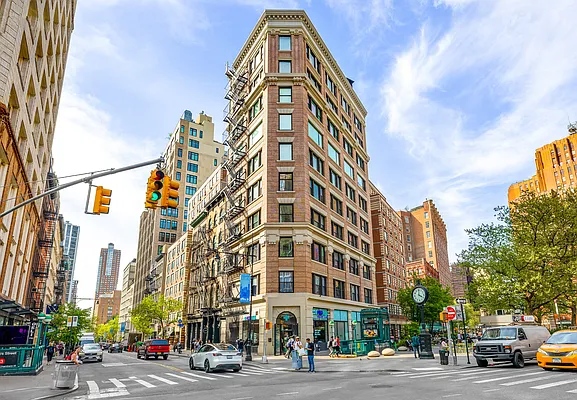
During the 19th century, this area operated as the commercial heart of the city. Ships arrived from the river and unloaded massive amounts of cargo. Workers moved sugar, spices, and coffee beans directly into the large brick buildings lining the road.
These heavy industrial activities required large, open buildings. Construction crews built massive warehouses featuring high ceilings and huge windows to let the sunlight inside. You can read more about these early architectural shifts through the New York Historical Society archives. These exact building features now create the highly desired open layouts we look for in our favorite weekend breakfast spots.
A Timeline of Change
The street went through several distinct phases before becoming a dining destination.
| Time Period | Primary Street Use | Building Types |
| Late 1800s | Heavy River Trade | Warehouses & Shipping Docks |
| Early 1900s | Food Processing | Sugar Refineries & Printing Presses |
| 1970s & 1980s | Artistic Revival | Artist Lofts & Small Cafes |
| 2000s to Present | Culinary Hotspot | Premium Restaurants & Coffee Shops |
The Artistic Shift and New Cafes
By the middle of the 20th century, the shipping industry moved away. The large warehouses sat empty for a short time. Rent cost very little, which attracted artists and writers to these big spaces. They turned the old factories into living spaces and art studios.
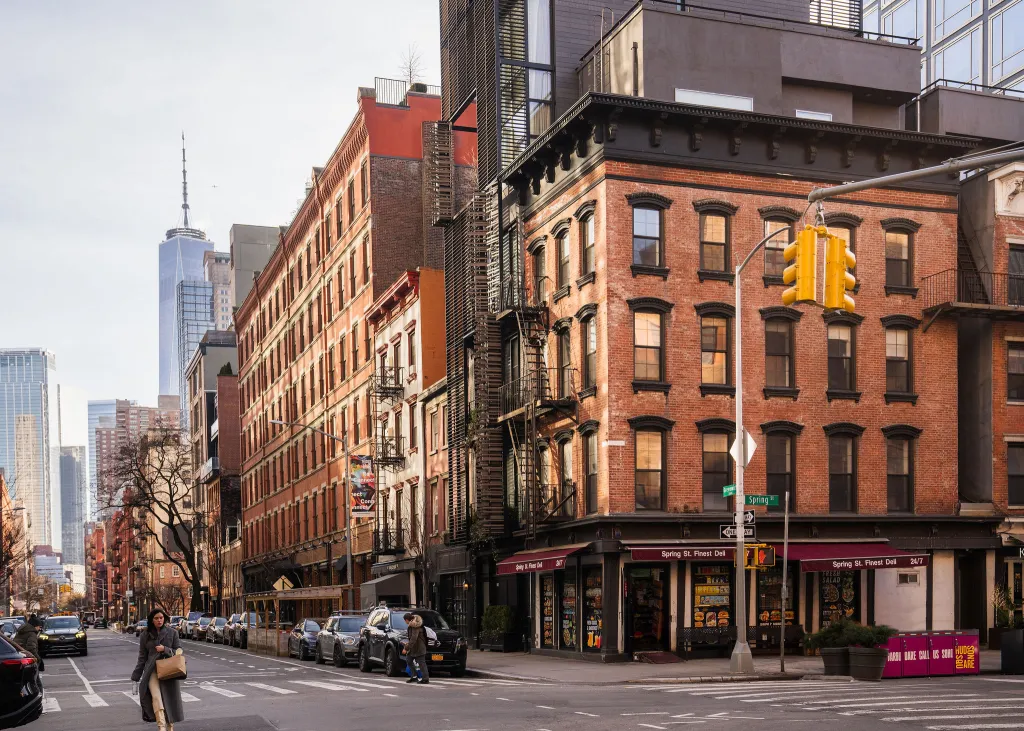
This new crowd needed places to eat and drink coffee. Small, unpretentious cafes opened their doors on the ground floors of these buildings. The owners kept the exposed brick walls and old wooden floors to save money on renovations. This unintentional design choice created the exact atmosphere and ambience that modern coffee shops spend thousands of dollars to copy. You can view photographs of these early street scenes within the New York Public Library digital collections.
Setting the Modern Dining Standard
As years passed, the neighborhood grew more popular and expensive. Highly trained chefs took over the small cafes and opened major restaurants. They kept the rustic look but upgraded the food. This road quickly became a testing ground for new culinary ideas.
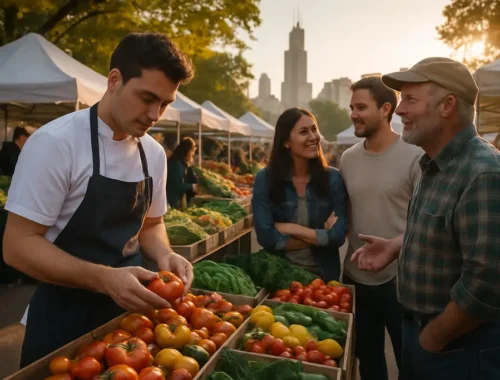
Chefs started focusing heavily on fresh ingredients and high-quality cooking techniques. They set new standards for weekend dining and morning cocktails. Food critics and organizations like the James Beard Foundation regularly recognize the amazing talent cooking along this historic stretch. The farm-to-table movement that dominates the upper valleys of New York shares a direct link with the culinary standards set on this very street.
Knowing the history behind the brick walls and tall windows makes your morning cup of coffee taste a little bit better. The next time you sit in a beautiful rustic cafe, you can thank this famous road for starting the trend.